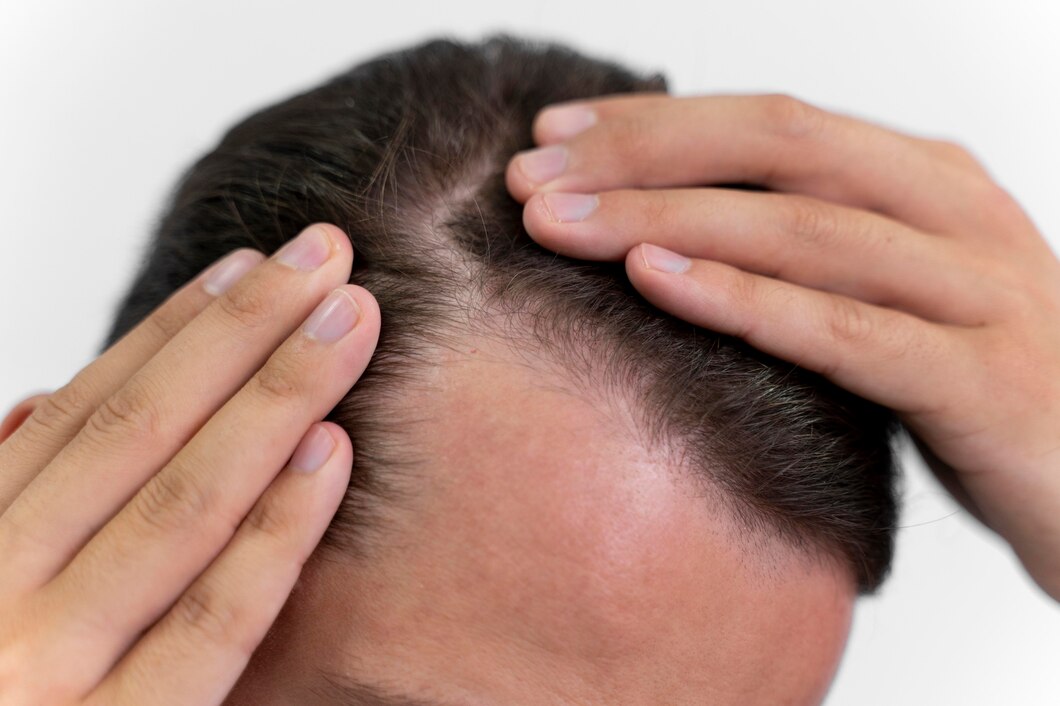
Hair health is shifting from hair care to hair biology, and it’s the latter that’s gaining traction. Peptides, amino acid chains of only a few amino acids, are among the ingredients that are of interest to science. Scientists are studying the potential of certain peptides to help maintain the surroundings of hair follicles and to affect pathways linked with healthy hair development. This interest is in line with an overall move towards appreciating health at the cellular level, as opposed to an appreciation of the visible hair.
Peptides are being researched for hair health.
Kylo peptides have captivated attention for their potential biological activity, driving increased interest in their use for hair growth and wellness. Certain peptides for hair growth have been studied for their potential effects on blood flow to the scalp, communication between cells, collagen synthesis, and the activity of surrounding structures that support the growth of hair follicles. Peptide research is still in its early stages, however, and the results may differ significantly with each peptide, formulation, and concentration and application method. This means that any promises that are made in the lab must not be taken as proof of a successful hair loss treatment.
Providing adequate evidence
There are many possible causes of thinning hair—such as genetics, hormonal changes, nutritional deficiencies, some medications, stress, and underlying medical conditions. For this reason, a single ingredient will probably not provide you with a solution to all types of hair loss. This is the scientific importance of peptides, as they can provide insights into more specific treatments for scalp and hair health. Meanwhile, consumers should check the credibility of the evidence available and differentiate between clinical studies and marketing statements. Dermatologists can also help identify the cause of hair changes that last or occur suddenly.
What lies ahead for your future?
Further studies may help to determine which peptides have significant effects, the optimal delivery method, and who might be a candidate to benefit from them. More effective-designed clinical trials will be especially helpful in determining effectiveness, safety, the right concentrations, and long-term effects. As more research about peptides for hair growth is conducted, Kylo peptides for hair growth could be a part of a multi-faceted evidence-based strategy for hair health. At present, there’s no magic potion or guaranteed cure for hair loss, but the scientific research is still an ongoing process.