
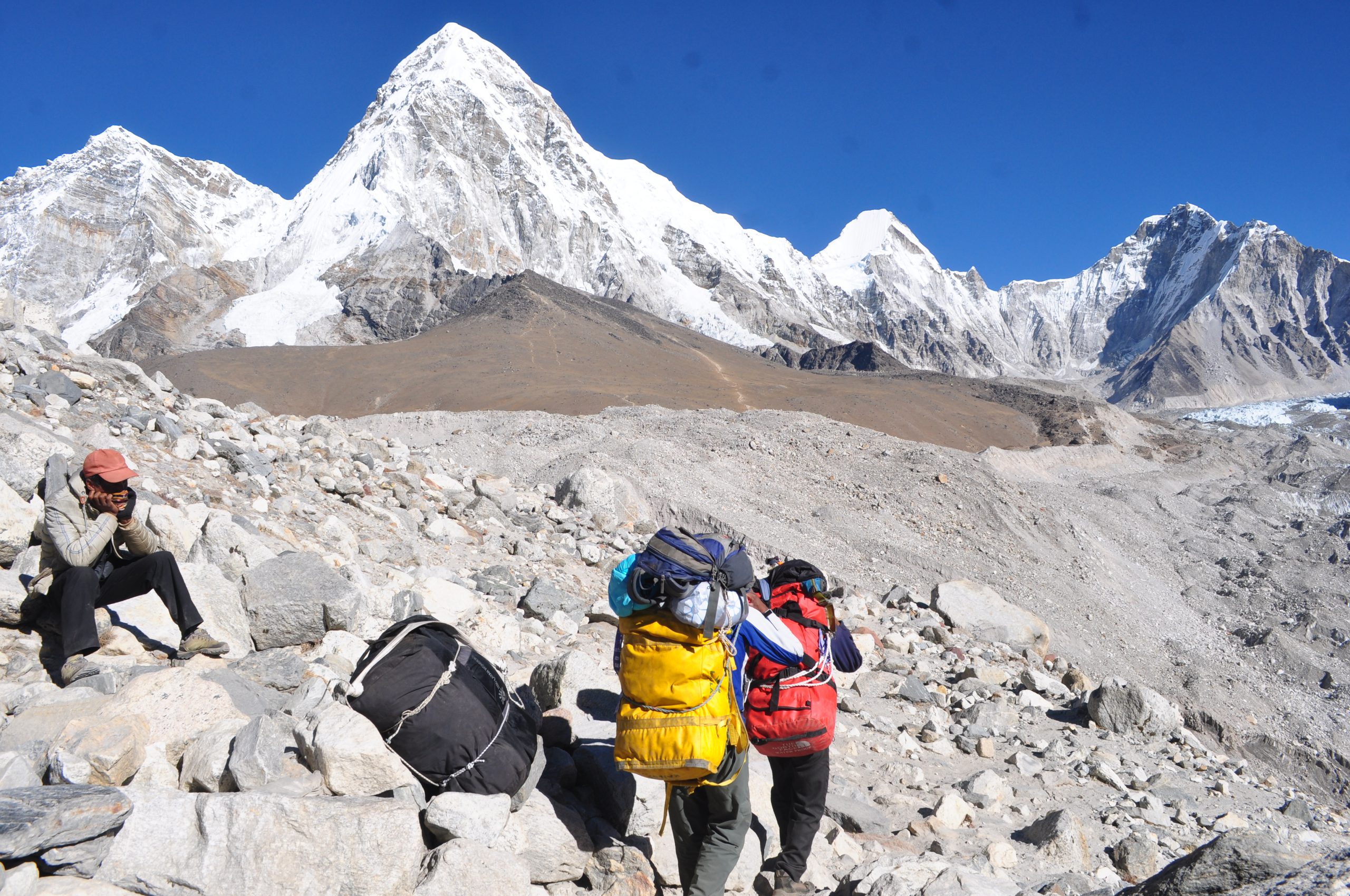
Cold air, prayer flags and the sound of boots on stone can change a mindset fast. High Himalayan routes attract trekkers seeking meaning beyond scenery. This article explores how a famous trail and a technical climb together shape a deeper mountain experience. The main idea focuses on the preparation, perspective and purpose behind combining trekking with alpine ambition. Mountains test patience. Hard truth. Thus, we should choose the Everest treks for best experience of trekking in Khumbu region.
Gateway to Legendary Khumbu Region
The Khumbu region feels alive with motion, history and altitude pressure. Sherpa villages, carved valleys and icy rivers create a setting that feels ancient yet active. The EBC Trek introduces walkers to these elements gradually, allowing acclimatization while absorbing mountain culture. It is not just distance covered, but exposure gained, step after steady step. Silence speaks loudly here.
Summit Dreams Beyond Standard Trails
Climbing Island Peak transforms perspective from observer to participant. Ropes, crampons and ice walls demand technical focus beyond hiking. This ascent adds commitment and controlled risk to the journey. The second encounter with Island Peak reinforces confidence earned through effort. Standing greater changes scale. Valleys shrink. Thoughts simplify. Fear exists, but discipline answers it.
Walking Routes with Cultural Depth
Trail life includes monasteries, spinning wheels, and conversations over salted tea. Paths pass through trading hubs and quiet hamlets where daily routines continue unchanged. During the EBC Trek, cultural rhythm becomes as important as physical endurance. This exposure builds respect for altitude living and reinforces patience. Learning happens naturally. Legs move forward anyway. Progress feels slow, then sudden.
Training Body For Thin Air
Altitude is honest and sometimes rude. Physical conditioning, breathing control, and mental calm matter more than speed. Preparation includes cardiovascular strength and gradual elevation gain. When Island Peak appears in training plans, fitness shifts from trekking stamina to climbing readiness. Muscles adapt differently. Recovery days feel essential. Fatigue lingers longer. Focus becomes sharper with height.
Logistics, Timing And Mountain Ethics
Successful Himalayan trips depend on timing, permits, guides and weather windows. Ethical travel supports local expertise and respects fragile environments. Waste control, fair wages and realistic itineraries matter. Combining trekking with climbing increases complexity but also value. Coordination becomes critical. Small delays feel large at altitude. Planning reduces chaos. Mountains dislike rush decisions.
Why Combined Adventures Feel Complete
Blending long approaches with a summit attempt creates narrative closure. Trekking builds context; climbing delivers climax. The journey feels earned rather than rushed. Emotional satisfaction comes from progression, not conquest. Such trips balance humility and ambition well. Memories sharpen through effort. The body complains, then forgets. The mind remembers everything. Stillness follows success.
Conclusion
Mountain journeys combining trekking and climbing offer layered rewards, testing endurance while expanding awareness. Such experiences require respect, patience and thoughtful planning to feel truly fulfilling. The balance between cultural immersion and technical challenge defines lasting Himalayan adventures. Always choose Mission Summit Treks and Expedition for best trekking experience. Choosing informed guidance and ethical practices ensures safety, sustainability and personal growth. When preparation meets purpose, the mountains respond with clarity, perspective and a quiet sense of achievement that stays long after descent.
