
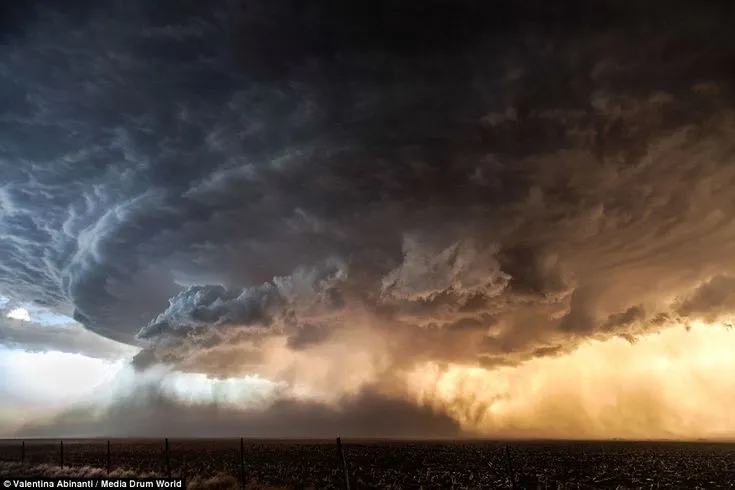
Storm chasing is often associated with dramatic cloud structure, but color can be equally memorable. Across the Great Plains, the appearance of the sky can shift from bright blue to deep gray, warm gold, pale orange, or other subtle tones as clouds, precipitation, and sunlight interact. For travelers considering tornado chasing 2027, noticing these changes can add a completely different visual dimension to the trip.
Color also encourages travelers to look beyond the most active part of a storm. Some of the day’s most beautiful scenes may appear along a clearing horizon, behind distant rain, or during the final hour of daylight. For photographers, these transitions provide opportunities to create images that capture the mood of the Plains rather than simply document a weather event.
Blue Skies Provide a Starting Point
A chase day does not always begin under threatening clouds. Clear or partly cloudy skies can dominate the morning while atmospheric conditions continue evolving elsewhere. These brighter conditions create a useful visual starting point for the day. Photographing an open landscape beneath blue skies can establish contrast with scenes captured later.
As clouds increase, the same countryside may take on an entirely different appearance, demonstrating how strongly the sky influences the character of a place.
Gray Has More Variety Than It Seems
Storm clouds are frequently described simply as dark or gray, but closer observation reveals considerable variation. One part of the sky may appear almost silver where sunlight reaches thinner clouds, while a precipitation-filled region can look considerably darker. Layered clouds may create several shades across the same horizon.
These subtle differences add depth to storm scenes and can make photographs feel more atmospheric without requiring dramatic editing.
Sunlight Can Create Unexpected Contrasts
One of the most visually interesting situations occurs when sunlight reaches the landscape while darker clouds remain nearby. A brightly illuminated field beneath a deep gray sky can create striking natural contrast. The effect may last only briefly as clouds continue moving.
People exploring Kansas storm chasing tours 2027 can watch for these transitions throughout the day rather than saving all their attention for mature storms.
Interesting combinations may include:
-
Golden light beneath darker clouds
-
Bright farmland against a stormy horizon
-
Sunlight passing through distant rain
-
Illuminated cloud edges
-
Blue sky beside developing storms
-
Warm evening tones behind departing weather
Each creates a different mood.
Rain Can Alter the Palette
Precipitation affects more than visibility. From a suitable distance, rain can change the apparent color and texture of a section of sky. A rain shaft may appear muted against a darker background or become brighter when sunlight passes through it. Nearby clouds can also influence how strongly these colors stand out.
Photographers can use the landscape beneath the rain to provide scale while allowing the changing atmosphere to remain the main subject.
Evening Introduces Warmer Tones
Late afternoon and evening can transform a storm scene. As the sun sits lower in the sky, its light travels through more of the atmosphere and can create warmer-looking landscapes and cloud edges. A storm that appeared predominantly gray earlier may suddenly gain areas of gold or orange where sunlight reaches it.
This period rewards patience. The visual character of the horizon can change within minutes, producing several distinct scenes from one location.
Color Can Appear Away From the Main Storm
Photographers often point their cameras toward the strongest weather and leave them there. That approach can miss interesting conditions elsewhere. The opposite horizon may contain clearer skies, softer light, or vivid color as the day approaches sunset.
Turning around occasionally is a simple habit, but it can dramatically expand the variety of photographs collected during a chase.
Keep Camera Processing Natural
Dramatic weather can encourage heavy editing, especially when trying to emphasize color. A more restrained approach often preserves the character of what was actually experienced. Exposure and basic adjustments can help an image represent the scene accurately without making the sky look unnatural.
For travel photography, authenticity matters. The purpose is to remember how the Plains looked during that particular moment rather than create a sky that never existed.
Colors Help Separate One Day From Another
Across a multi-day journey, color can become part of how travelers remember individual chases. One day might be associated with bright afternoon contrasts, another with muted gray skies, and another with warm evening light after storms moved away.
These differences reinforce an important aspect of weather travel: the same landscape can present a completely new visual personality each day.
Conclusion
Color adds depth to storm chasing by revealing how clouds, precipitation, sunlight, and the landscape interact throughout the day. Bright mornings, layered gray skies, illuminated rain, contrasting fields, and warm evenings can each create memorable scenes without depending on a single dramatic event.
During a journey with Storm Chasing Adventure Tours, paying attention to these changing tones can help guests experience the Great Plains as a constantly evolving visual landscape, where even familiar horizons rarely look the same twice.
