The price of a herbal supplement often reflects more than its packaging or brand name. Factors such as ingredient quality, sourcing methods, processing standards, and product testing all influence the final cost. When comparing Ayurvedic supplements price, consumers should understand what goes into making a reliable herbal product rather than choosing an option simply because it is cheaper. Quality plays an important role in determining product value, consistency, and overall customer confidence.
Quality of Raw Ingredients Makes a Difference
Carefully selected herbs, fruits, roots, and plant extracts contribute to the overall standard of the finished product.
Several factors influence ingredient quality:
● Natural Sourcing: Herbs obtained from suitable growing environments are more likely to retain their expected characteristics.
● Proper Harvesting: Collecting plants at the appropriate stage helps maintain their natural properties.
● Ingredient Purity: Quality manufacturers pay attention to contamination, adulteration, and unwanted additives.
● Reliable Suppliers: Working with trusted growers and suppliers supports consistent raw material standards.
For example, the quality of amla used in a supplement can influence its overall value. Consumers researching amla supplement benefits should also consider where the ingredient comes from and how it is processed.
Processing Methods Influence Product Value
Herbal ingredients require suitable processing to maintain their quality. Improper drying, storage, or manufacturing can affect their freshness and consistency.
Manufacturers may invest in better processing equipment and controlled production environments to maintain product standards. These additional measures can contribute to higher manufacturing expenses.
Important processing considerations include:
● Controlled Drying: Appropriate drying methods help reduce excess moisture and support product stability.
● Hygienic Manufacturing: Clean production facilities reduce the possibility of contamination.
● Careful Grinding: Proper grinding helps achieve a consistent texture in powdered herbal products.
● Suitable Packaging: Protective packaging helps prevent exposure to moisture, heat, and other environmental factors.
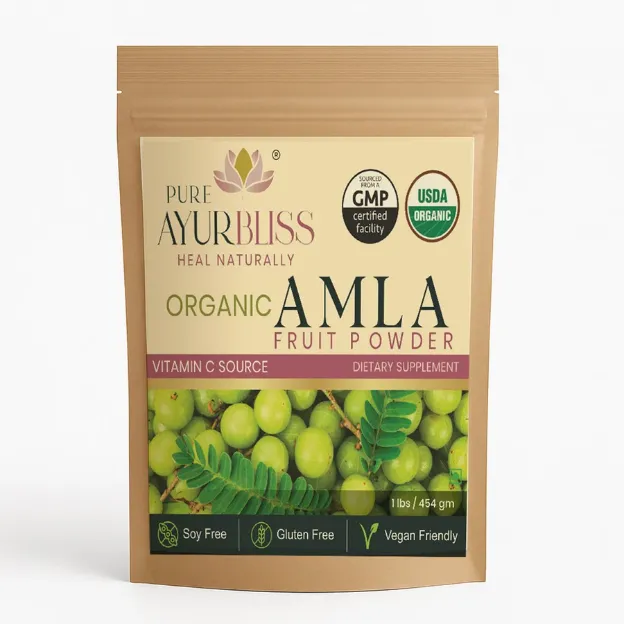
For instance, well-processed herbal amla powder should have consistent texture, appropriate storage conditions, and clear product information. These details contribute to its perceived quality and market value.
Ingredient Testing and Quality Control
Quality testing is another important reason why herbal supplements may have different prices. Responsible manufacturers conduct checks to understand whether their products meet established quality requirements.
Some important quality checks include:
● Identity Testing: Confirms that the ingredients used match the product description.
● Microbial Testing: Helps identify potentially harmful microorganisms.
● Heavy Metal Screening: Checks for unwanted levels of contaminants such as lead, arsenic, and mercury.
● Batch Consistency: Helps ensure that products maintain similar quality across different production batches.
These procedures require trained professionals, suitable laboratory facilities, and additional resources. Although they may increase production costs, they help build consumer trust and support responsible manufacturing practices.
Ingredient Concentration and Product Formulation
Not all herbal supplements contain the same quantity or concentration of active plant ingredients. Some products use whole herbs, while others contain extracts prepared through specific manufacturing processes. This difference can influence both the formulation and the final price.
Consumers should pay attention to:
● Ingredient Quantity: Check how much of the primary herb is included in each serving.
● Extract Information: Look for clear details about whether the product contains whole plant material or an extract.
● Additional Ingredients: Review fillers, preservatives, flavouring agents, and other components.
● Serving Recommendations: Understand the suggested serving size before comparing two products.
When exploring amla supplement benefits, it is useful to examine the actual formulation instead of relying entirely on attractive packaging or marketing statements. A higher price does not automatically mean a better product.
Packaging and Storage Affect Herbal Supplement Quality
Herbal supplements can be sensitive to moisture, heat, sunlight, and air exposure. Manufacturers may use suitable containers, sealed pouches, or protective packaging depending on the product type.
Good packaging practices include:
● Moisture Protection: Helps prevent powders and other herbal formulations from becoming damp.
● Secure Sealing: Reduces unnecessary exposure to air and external contaminants.
● Clear Labelling: Provides ingredient details, batch numbers, manufacturing dates, and expiry information.
● Storage Instructions: Guides consumers on keeping products in appropriate conditions.
For products such as herbal amla powder, proper packaging can help maintain freshness and make storage more convenient. These considerations may also contribute to the overall retail price.
Brand Transparency Builds Consumer Confidence
A reliable herbal supplement brand should provide clear information about its ingredients, manufacturing practices, and product specifications. Transparency allows customers to make informed purchasing decisions.
Before buying a supplement, consumers can consider the following:
● Ingredient Disclosure: Check whether the complete ingredient list is available.
● Manufacturing Details: Look for information about the manufacturer and production standards.
● Quality Certifications: Review relevant certifications and verify their authenticity where possible.
● Customer Support: Choose brands that provide clear answers to product-related questions.
Brands that invest in responsible sourcing, manufacturing, and customer communication may have higher operating expenses. However, transparent information makes it easier for consumers to understand what they are paying for.
Comparing Prices Beyond the Product Label
A cheaper supplement may appear attractive initially, but differences in ingredient quantity, packaging, and testing can influence its overall value.
Consider these points while comparing products:
● Compare Similar Formulations: Evaluate products with comparable ingredients and serving sizes.
● Check Net Quantity: Look at the actual product weight instead of judging by container size.
● Review Expiry Dates: Ensure that the product has a reasonable shelf life.
● Understand Product Claims: Avoid purchasing supplements based only on exaggerated health promises.
● Calculate Serving Costs: Consider how many servings each package provides.
Understanding these details makes Ayurvedic supplements price comparisons more practical. It also helps consumers recognise the difference between a genuinely well-made product and one that simply carries a premium label.
Conclusion
Quality is an important factor in herbal supplement pricing because it reflects ingredient sourcing, manufacturing practices, testing, packaging, and product transparency. Consumers should evaluate these aspects instead of assuming that the cheapest or most expensive option is automatically the best. Understanding Ayurvedic supplement prices, exploring amla supplement benefits, and checking the quality of herbal amla powder can support more informed purchasing decisions.
For those interested in natural wellness products rooted in traditional Ayurvedic practices, PureAyurBliss offers a diverse range of herbal supplements in tablet and powder formats, along with Shilajit products. Explore PureAyurBliss to discover its selection of Ayurvedic products, learn about their ingredients and traditional uses, and find options that align with your everyday wellness preferences and product requirements.