Hemp-derived oils have gained attention among consumers interested in plant-based wellness products, making it important to understand what defines their quality. Whether researching ingredients or exploring options related to THC oil buy in India, informed decisions begin with learning about potency, purity, and manufacturing standards.
Potency, purity, and quality together determine the overall standard of a hemp-derived oil. Factors such as responsible sourcing, reliable extraction methods, transparent labeling, and third-party testing help consumers evaluate products based on quality rather than marketing claims.
Potency Begins with Balanced Formulation
Potency refers to the concentration of cannabinoids present in a hemp-derived oil. However, a higher concentration does not automatically indicate superior quality. The effectiveness and intended purpose of a product depend on the balance of its ingredients, the formulation process, and the recommended usage provided by qualified professionals where applicable.
Manufacturers often produce hemp-derived oils in different strengths to suit varying preferences and requirements. Instead of selecting products solely based on numbers displayed on the label, consumers should understand the cannabinoid profile and the intended formulation. Clear labeling, accurate concentration details, and responsible product information contribute to better consumer awareness and confidence.
Purity Depends on Responsible Manufacturing
Purity is one of the most important indicators of product quality. High-quality hemp-derived oils are produced using carefully selected hemp plants and extraction techniques that preserve naturally occurring compounds while minimizing unwanted contaminants.
The Role of Quality Ingredients
The quality of raw materials directly influences the finished product. Hemp cultivated under controlled agricultural practices is more likely to produce oils with consistent cannabinoid profiles. Responsible manufacturers also pay close attention to harvesting, storage, and processing methods to maintain product integrity.
Equally important are carrier oils and additional botanical ingredients. Premium formulations typically include ingredients selected for their stability and compatibility, ensuring that the final product remains consistent throughout its shelf life.
Importance of Third-Party Laboratory Testing
Independent laboratory testing plays a significant role in verifying product purity. Certificates of Analysis help confirm cannabinoid content while screening for contaminants such as heavy metals, pesticides, microbial impurities, and residual solvents. These reports provide valuable transparency and allow consumers to verify whether the product matches its label claims.
Understanding Different Strength Categories
Hemp-derived oils are available in multiple strength categories designed for different formulation goals. Product names often indicate concentration levels or cannabinoid ratios rather than suggesting one product is universally better than another.
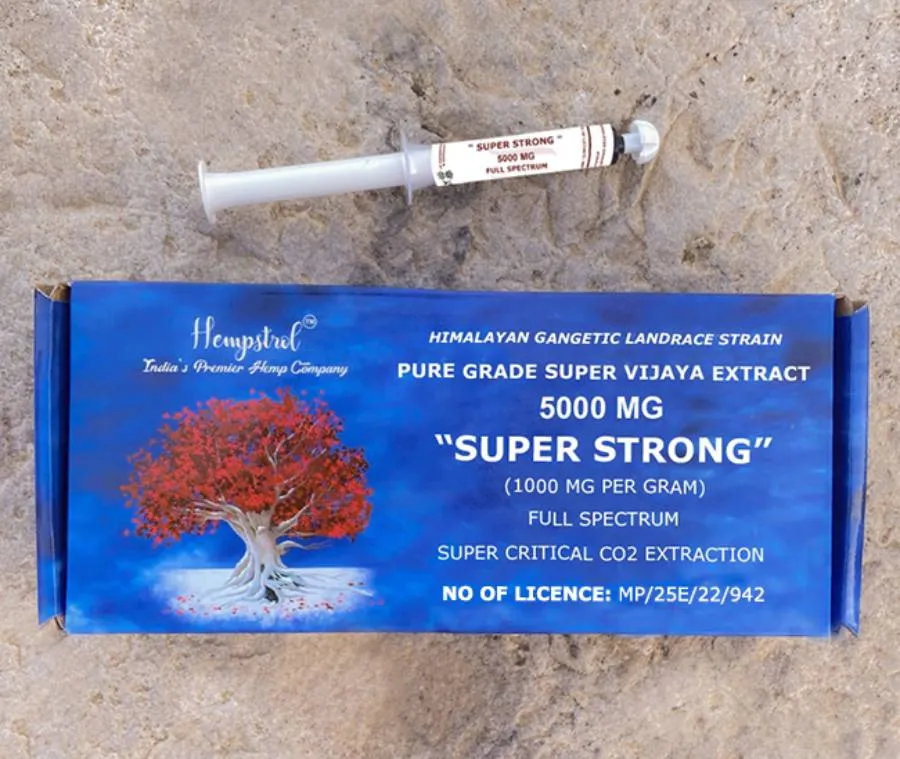
For example, formulations identified as THC oil super strong generally indicate a higher concentration within the product range. Such descriptions should always be interpreted alongside ingredient lists, cannabinoid ratios, manufacturer guidance, and applicable legal or medical requirements rather than viewed as standalone indicators of quality. Understanding the complete formulation helps consumers make informed decisions based on reliable product information instead of assumptions.
Transparency Builds Consumer Confidence
Reliable manufacturers recognize that transparency extends beyond attractive packaging. They provide comprehensive information regarding ingredient sourcing, manufacturing practices, testing procedures, and storage recommendations.
Consumers should look for products that clearly disclose cannabinoid content, batch numbers, expiry dates, recommended storage conditions, and access to laboratory reports whenever available. Educational resources explaining hemp-derived ingredients and production methods also demonstrate a company’s commitment to informed consumer choices rather than relying solely on promotional messaging.
Choosing Quality over Marketing Claims
The growing interest in hemp-derived products has also increased the number of brands entering the market. While attractive packaging and bold advertising may capture attention, quality should always remain the deciding factor.
Before selecting any hemp-derived oil, consumers should evaluate:
-
Clear ingredient lists
-
Transparent cannabinoid concentrations
-
Third-party laboratory verification
-
Responsible manufacturing practices
-
Compliance with applicable regulations
-
Educational support from the manufacturer
Considering these factors allows individuals to better understand product quality while avoiding misleading or exaggerated claims.
Conclusion
Understanding potency, purity, and quality helps consumers make informed decisions when evaluating hemp-derived oils. Instead of relying on marketing claims, it is beneficial to consider ingredient transparency, laboratory testing, manufacturing standards, and product consistency. Those researching CBD oil in India should look for brands that emphasize quality, transparency, and responsible production.
Those looking for a trusted hemp wellness brand may consider Hempstrol, recognized for its quality-focused manufacturing, third-party testing, responsible sourcing, and educational approach. By promoting transparency and providing comprehensive product information, the brand supports informed, responsible choices about legally compliant hemp-derived wellness products.