
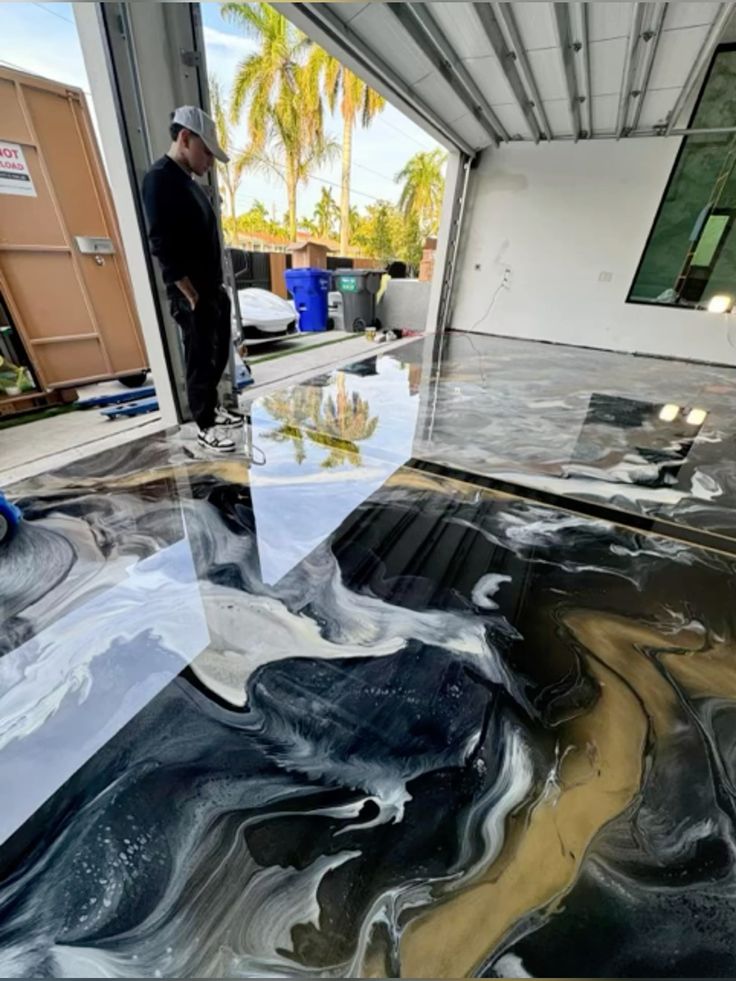
A successful concrete coating job is often decided before the first bucket is opened. Contractors comparing epoxy supplies los angeles options should think beyond resin and plan for surface preparation, repairs, tools, safety gear, decorative materials, and the correct topcoat for the site.
Contractors and concrete professionals often need more than coating materials alone. Preparation products, application tools, repair materials, decorative systems, and safety supplies should all be planned together so the crew can move through each stage without unnecessary delays.
Start With the Condition of the Concrete
The slab should determine the first items on the supply list. Old coatings, adhesive residue, cracks, pits, oil contamination, and weak concrete can all require different preparation products or equipment.
Contractors visiting what it takes los angeles should therefore arrive with basic project information instead of shopping from a generic checklist. Square footage, slab condition, intended finish, traffic level, and whether the area is indoors or outdoors can all affect material selection.
Surface Preparation Comes Before Decorative Choices
A premium coating cannot compensate for poor surface preparation. Grinding equipment, dust-control accessories, cleaners, patch materials, crack fillers, and primers may all be needed before decorative layers are considered.
Preparation should also match the product being installed. Contractors should review manufacturer data sheets and confirm the required concrete profile, mixing instructions, application thickness, temperature range, and recoat window.
Having these details clear at the supply stage can prevent incompatible products or rushed decisions once the crew is on site.
Calculate Materials With a Margin for Reality
Coverage rates are useful, but real jobs do not always match perfect calculations. Surface porosity, texture, waste, repairs, broadcast media, and application technique can change how much material is used.
Contractors should calculate the full area and then account for every layer in the system. Primer, base coat, flakes or quartz, grout coats, and topcoats each have their own coverage requirements.
It is safer to confirm package sizes and coverage from product documentation than to rely on estimates remembered from another brand.
Keep Application Tools System-Specific
Rollers, squeegees, mixers, spiked shoes, and other tools should match the coating and installation method. A tool suited to a thin sealer may not be right for a high-build epoxy or self-leveling system.
Backup tools can also prevent delays. A damaged roller cover or contaminated mixing paddle can cause problems during a limited application window.
Organizing tools by stage preparation, mixing, application, broadcast, and cleanup—can make the job easier to manage.
Do Not Treat Safety Gear as an Afterthought
Concrete preparation and coating work can involve dust, chemicals, noise, and moving equipment. Personal protective equipment should be selected according to the task and the safety information for the products being used.
Gloves, eye protection, suitable footwear, hearing protection, or respiratory protection may be needed depending on the job. Contractors should follow safety data sheets and equipment instructions instead of assuming one setup suits every process.
Match the Topcoat to the Environment
The final protective layer should be selected for the actual exposure. Garages, warehouses, commercial rooms, and exterior areas can have very different needs for abrasion, chemical resistance, staining, or UV stability.
What It Takes LA currently carries epoxy, polyaspartic, polyurethane, and other professional coating products from multiple brands. Selection should still be based on system compatibility and project conditions, not simply on the strongest-sounding product description.
For exterior or sunlight-exposed areas, UV performance deserves specific attention before materials are purchased.
Confirm Decorative Materials Early
Decorative flakes, metallic pigments, quartz, and other finishes affect both appearance and material quantities. Color choices should be confirmed before the project begins, particularly when a specific blend or product may need to be ordered.
Clients should approve realistic samples whenever possible. Lighting, broadcast density, substrate color, and topcoat sheen can all influence the final appearance.
Build the Pickup List in Installation Order
A practical supply list follows the way the job will be completed: preparation, repairs, primer, coating, decorative broadcast, topcoat, and cleanup.
This order makes it easier to spot missing items and load materials logically. It also helps crews verify that each stage has the tools and accessories needed before work begins.
Conclusion
Professional concrete coating work depends on more than choosing a quality resin. Preparation products, repair materials, tools, safety equipment, decorative media, coverage calculations, and compatible topcoats all contribute to a successful installation.
Los Angeles-area contractors planning upcoming projects can use whatittakesla.com as a practical resource for organising coating supplies and supporting materials. Building the complete project list before reaching the jobsite can help reduce delays and keep the workflow organised.

