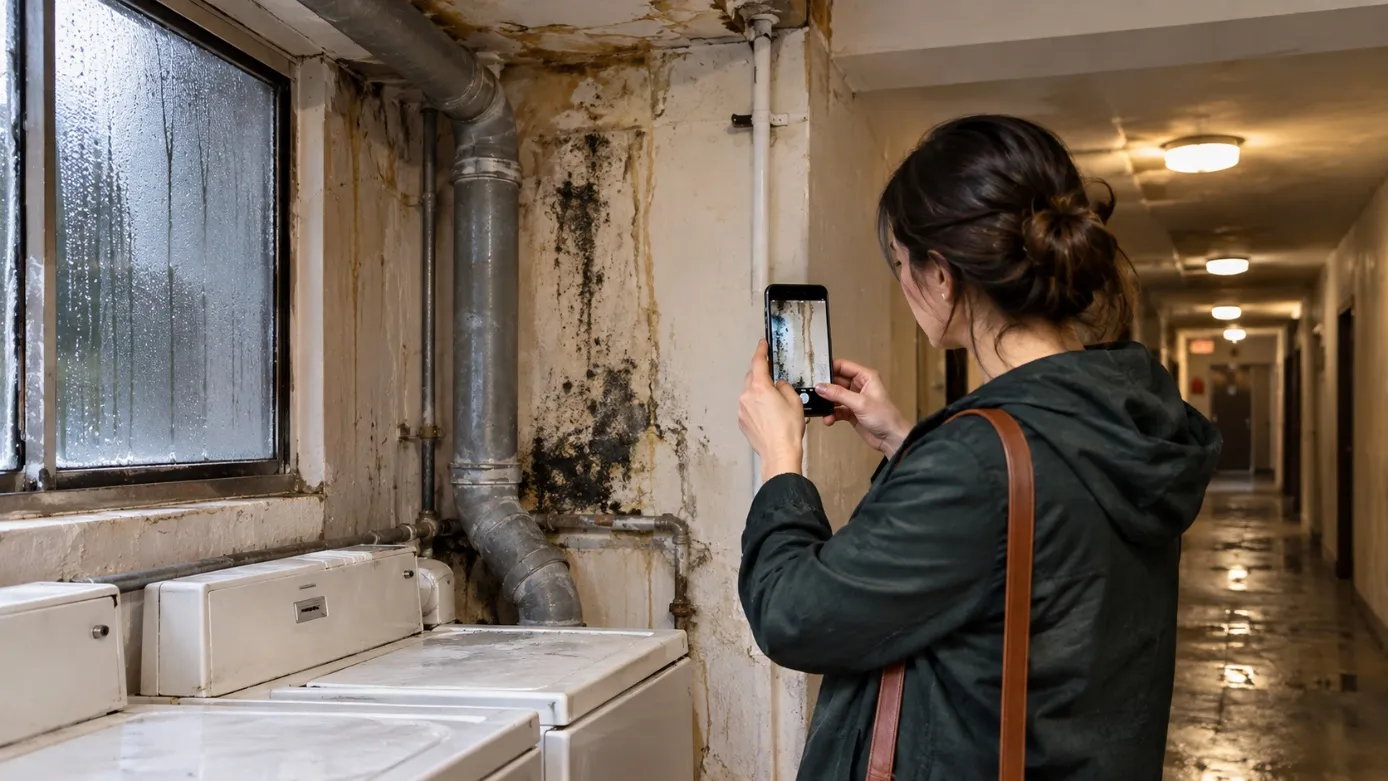
Mold problems in apartment buildings are not always confined to individual homes. Damp laundry rooms, leaking storage areas, and poorly maintained hallways can expose residents to recurring moisture problems in spaces they regularly use. When these conditions persist, tenants may struggle to determine who should investigate or arrange repairs. Consulting los angeles mold contamination lawyers can help residents understand potential legal concerns involving neglected building conditions. Recognizing how common-area maintenance responsibilities work is an important step toward protecting residential safety and preventing disputes over unresolved defects.
Recognize Problems Beyond Individual Rental Units
Shared facilities experience different moisture pressures from those inside private apartments. Laundry equipment, exposed plumbing, damaged roofing, and insufficient drainage can create persistent dampness in communal spaces. Residents may notice stained ceilings, deteriorating walls, musty odors, or damaged stored belongings. These observations should prompt further investigation rather than assumptions about the type of mold present. Identifying which areas are affected and how frequently moisture appears can help maintenance teams locate the source. Early attention may also prevent water intrusion from spreading into nearby residential units.
Understand Responsibilities For Shared Building Spaces
California Civil Code Section 1941.1 addresses sanitary conditions in buildings, grounds, and areas under landlord control. Property owners generally have responsibilities concerning qualifying building defects and the maintenance of common facilities. However, not every cosmetic concern constitutes a habitability violation, and tenants also have duties to use shared spaces responsibly. Responsibility for a specific defect depends on its cause, seriousness, and applicable legal requirements. Understanding these distinctions helps residents report genuine maintenance concerns without assuming that every damaged surface automatically establishes landlord negligence or financial liability.
Document Conditions Without Disturbing Affected Materials
Common-area damage can be difficult to track because numerous residents use the same facilities. Tenants should photograph visible deterioration from accessible locations, record dates, and note when water appears after rainfall or equipment use. They can also preserve notices about closed facilities and written repair requests. Entering restricted maintenance areas or disturbing suspected contamination is unnecessary and potentially unsafe. A chronological record showing how conditions developed may be more useful than isolated photographs without context. Documentation should remain factual and avoid unsupported conclusions about health consequences.
Evaluate Whether Conditions Affect Residential Safety
Persistent dampness in a shared laundry room or hallway may raise concerns beyond inconvenience, particularly when moisture spreads toward occupied apartments. The seriousness of the problem depends on building conditions, the affected area, and potential safety implications. Consulting toxic mold attorneys california may help tenants assess whether documented circumstances support a legal claim. California habitability standards require careful evaluation rather than automatic conclusions. Residents experiencing health symptoms should seek medical advice, while qualified building professionals can investigate the source and extent of moisture damage.
Coordinate Complaints Without Losing Individual Records
When several households observe the same maintenance problem, coordinated communication may help property management understand its extent. Residents can submit a joint written description identifying affected spaces and requesting appropriate investigation. However, each tenant should preserve personal correspondence and evidence of any individual losses. Different households may experience different consequences, so a shared complaint does not establish identical legal claims. Clear communication should focus on verifiable conditions rather than speculation about responsibility. Organized cooperation can strengthen maintenance reporting without creating unnecessary conflict among neighbors or management staff.
Request Repairs That Address Underlying Causes
Cleaning visible mold without correcting recurring moisture may provide only temporary improvement. Effective corrective work can require repairing plumbing, improving drainage, restoring damaged materials, or addressing building ventilation problems. Qualified professionals should determine which measures are appropriate for the particular facility. Tenants can request information about repair schedules and whether temporary access restrictions will affect essential services. When shared spaces remain closed, written updates can reduce confusion. The objective is a lasting correction of the problem, not simply restoring appearances before the next inspection.
Conclusion
Common spaces are part of everyday apartment living, and neglected moisture problems can affect more than the appearance of a building. Residents benefit from identifying recurring defects, preserving reliable records, and seeking repairs that address underlying causes. Shared concerns deserve coordinated attention, although individual legal rights still require separate evaluation. For tenants facing persistent unresolved conditions, mehdlaw.com offers representation in California mold and habitability disputes. A practical next step is to document the affected facility and request a written inspection and repair plan from property management.