
Permits are the quiet gatekeepers of any shoot in Korea. Nobody notices them when they work. Everybody notices when they fail. If you plan to hire a fixer in South Korea, ask about permits first, because that is where hidden delays tend to live.
This article explains who gives permission, which places are tricky, and how long things take. Some rules are strict. Others bend a little, if you ask the right person politely. Read on before you book flights, and save yourself a few gray hairs.
Who Actually Grants Permission?
Different places answer to different offices. A park may belong to the city, a riverbank to another agency, and a shopping street to the shop owners themselves. A pre-production agency in Seoul can sort out who owns what, then send the right requests in the right order. That alone saves days.
Film commissions can help point crews in the right direction, and some offer location support. Still, they do not replace local legwork. Always get approvals in writing. A kind nod from a guard at the gate means nothing when a supervisor walks up and asks to see paper.
Public Spaces and Street Shoots
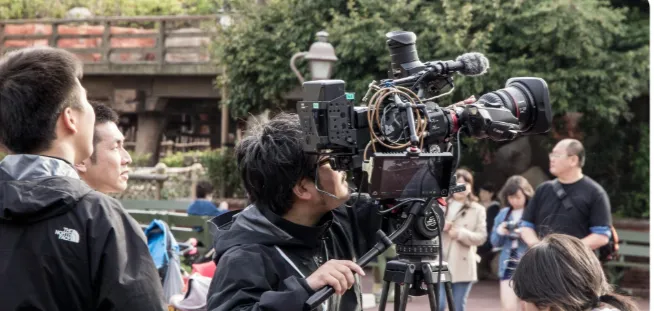
Streets look free, but they are not. Busy roads, crossings, and subway areas often need approval, especially if you bring lights, tracks, or a big crew. Small handheld shots may get more room, though rules differ by area. Ask before you assume anything.
Police and district offices sometimes need notice for road use. Plan for crowd control, signs, and safe walkways. Bystanders walk into frame all the time. A few trained helpers with vests and calm voices keep both the public and your camera crew safe. It looks professional, too.
Historic Sites and Palaces
Palaces and heritage sites are stunning, and they know it. Many have firm rules on tripods, crew size, and opening hours. Royal palaces in Seoul are run by a heritage body, so requests may take longer than for a regular café or street.
Expect limits on props, fire, and costume changes. Floors and old wood need protection. Staff may stay beside you all day. Be kind to them. Bring a clear shot list, and send it early. Vague plans make officials nervous, and nervous officials say no.
Drones, Noise, and Night Filming
Drones need special care here. Large parts of Seoul sit in restricted airspace, so approvals can be slow, and flying without them can cause serious trouble. Many crews now work with licensed local pilots who know the process. Start that request first, not last.
Night shoots and loud scenes upset neighbors fast. Residential blocks have noise expectations, especially late. Warn residents ahead, offer a contact number, and keep generators far away. A box of fruit or a short polite note works better than people expect. Quiet respect keeps doors open for future crews.
Filming Real People Respectfully
Privacy matters in Korea. People may not want to appear in your film, and rules around personal image can be firm. Get signed releases from anyone recognizable. For crowd scenes, use signs at entrances that tell passersby filming is happening.
Shops and cafés need permission too, including logos and artwork on walls. Brands can be touchy about how they look. If you hire a fixer in South Korea, ask them to collect releases and keep copies. Clean paperwork helps later when distributors ask questions.
Timelines That Keep Shoots Alive
Work backward from your shoot date. Easy permits might come in days. Sensitive ones can take weeks. Add a buffer for questions, changes, and holidays, because offices close and queues grow. A tight calendar looks fine on paper and breaks quickly in real life.
Keep a tracker with every approval, date, and contact name. Share it with the team. When a pre-production agency in Seoul manages that sheet, nothing slips through quietly. Update it daily as the shoot gets near. A missing stamp found early is a small thing. Found on set, it hurts.
Conclusion
Permits are not the fun part of filmmaking. They do, however, decide whether you shoot or wait. Know who grants approval, respect historic places, plan drones early, protect privacy, and watch the calendar. Do these and the rest of the work feels lighter.
Want company on that road? Visit posted-productions.com and see how a local team can guide you through each form and rule. Reach out early, while your plans are still flexible. Korea welcomes careful visitors, and good paperwork is how you become one.


